Home / Bankruptcy for Expatriates
How to Use a Technology Radar for Strategic Planning
Author: Jennifer Jones
Publication date: July 7, 2026
A technology radar is an effective tool that businesses and legal professionals can use to monitor emerging technologies and make informed strategic decisions. Understanding how to implement and leverage a technology radar can provide a competitive edge, especially in fast-evolving sectors such as bankruptcy law, where technology impacts both operational efficiency and client service.
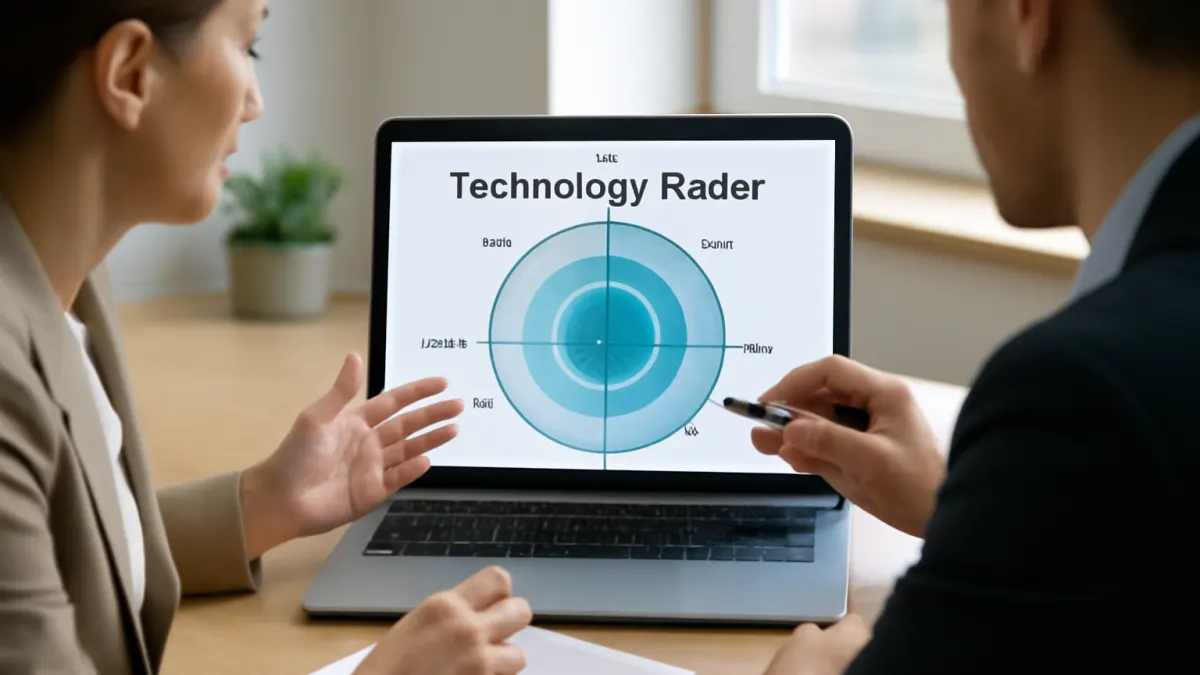
What Is a Technology Radar?
A technology radar is a regular assessment tool that helps organizations track and evaluate new and existing technologies, techniques, and tools relevant to their industry. It typically categorizes technologies based on their maturity and adoption readiness, enabling decision-makers to prioritize investments and innovations aligned with their strategic objectives.
Why Use a Technology Radar in Strategic Planning?
In fields like bankruptcy law, staying updated with technological trends ensures better case management, improved data security, and enhanced client support. A technology radar aids in anticipating shifts, mitigating risks, and capitalizing on opportunities before competitors. It offers a consolidated view of evolving technologies, removing guesswork from planning processes.
Key Components of a Technology Radar
- Quadrants or Categories: Commonly divided into four areas such as Tools, Techniques, Platforms, and Languages to organize technologies systematically.
- Rings or Maturity Levels: Technologies are placed in rings indicating their status: Adopt (proven & recommended), Trial (worth exploring), Assess (worth investigating), and Hold (should be avoided or retired).
- Regular Updates: Frequent reassessment ensures the radar reflects the latest developments and organizational priorities.
How to Build and Use a Technology Radar
1. Identify Relevant Technologies
Gather inputs from internal teams, industry news, conferences, and expert consultations. For bankruptcy law practices, this might include case management software, AI-driven document analysis, or cybersecurity tools.
2. Define Evaluation Criteria
Assess each technology’s usability, scalability, relevance to your business processes, compliance with legal regulations, and potential benefits versus risks.
3. Categorize and Rank Technologies
Place technologies into appropriate quadrants and rings to visualize where they stand in adoption lifecycle and how they fit your strategic goals.
4. Share and Integrate Insights
Circulate the radar within relevant departments to inform project planning, budgeting, and policy adjustments.
Concrete Examples in the Legal Sector
- Case Management Solutions: A radar might show certain cloud-based platforms in the ‘Trial’ ring, indicating their growing reliability and suitability for firm-wide adoption.
- Data Analytics Tools: Emerging AI for document review might be in the ‘Assess’ ring, signaling early-stage evaluation for potential efficiency gains.
- Cybersecurity Measures: Established multi-factor authentication tools would likely be in the ‘Adopt’ ring due to their proven effectiveness.
Decision Criteria for Implementation
Before integrating technologies from the radar, consider factors like budget constraints, team readiness, impact on compliance, and long-term sustainability. Decisions should balance innovation with risk management, especially in sensitive fields like bankruptcy law.
Maintaining Your Technology Radar
To keep the radar effective, schedule regular reviews (quarterly or bi-annually) and adapt to changes in technology landscapes and organizational strategy. Engage cross-functional teams for diverse perspectives and fresh insights.
Conclusion
Using a technology radar allows legal professionals and businesses to navigate technological changes systematically, align investments with strategic goals, and enhance operational efficiency. Incorporating this tool into your strategic planning supports proactive decision-making, helping your organization stay competitive and compliant over time.
Tags
Article rating
This article has no ratings yet.
No published comments yet.